The Importance Of Tungsten In Today’s Industry

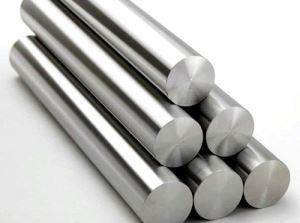
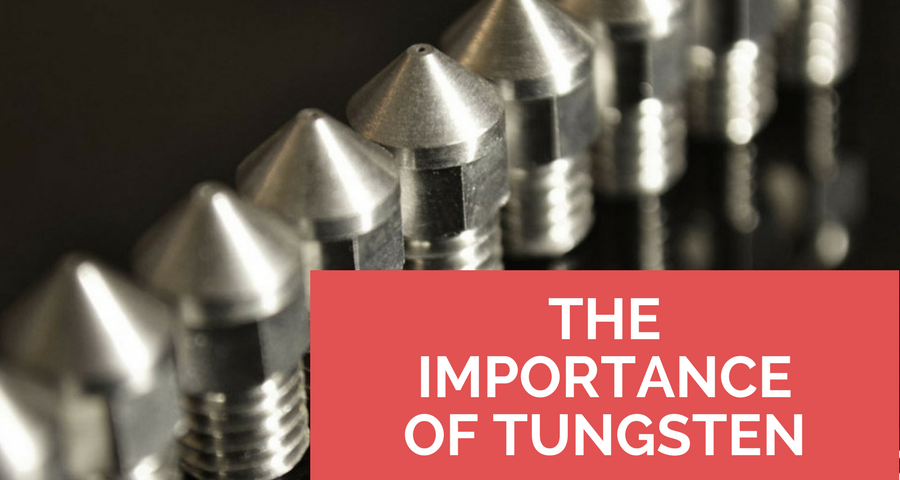
Tungsten is one of the most important materials in the modern metal industry, but many other industrial sectors are directly connected with the use of Element 74. In other words, tungsten alloys have taken over the world, and they are nowadays immensely important elements in the overall system of our global industry. Learning a thing or two about this metal will, therefore, offer you a chance to get acquainted with this highly valuable commodity, and that is why you should stick with this in-depth guide. In some upcoming articles, we will thoroughly discuss Tungsten Heavy Alloy since many people have interest in various tungsten uses.
General Overview
As we already mentioned, tungsten stands at the position number 74 in the periodic table, and many people refer to this element as Wolfram. However, these two names mean the same thing, i.e. they relate to a highly durable metal which provides interesting and unique characteristics and features. The actual term tungsten originates from the Swedish words “tung sten” which translate to “heavy stone”, and this convenient use of words perfectly illustrates the nature of the material in question. As a matter of fact, it is a widely accepted fact that tungsten is one of the toughest substances on the face of the Earth, and only diamonds can cut through sheets of tungsten, but only with the use of highly sophisticated methods and techniques.
The Characteristics Of Tungsten Alloys
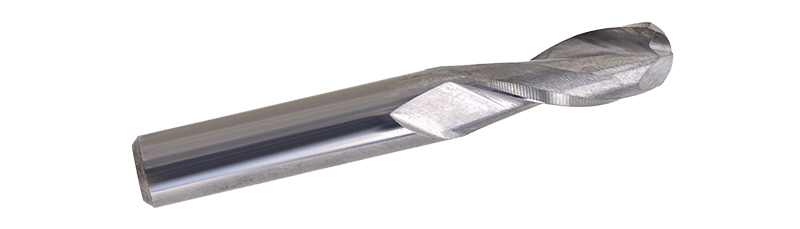
Element 74 is also the metal which has the highest melting point of all other metals which we know off, and it starts to melt only at temperatures higher than 3.422 degrees Celsius. The extremely high melting point is a valuable asset which allows tungsten to find its purpose in many branches of industrial production. However, this is not nearly the only characteristic of this metal that attracts attention, and high density and excellent hardness are also among intriguing and interesting features. Tungsten is two times heavier than lead, and with its high density, it is possible to create items of small volume but of incredible weight out of this material.
Tungsten is frequently used in a form of alloy, and depending on the actual amount of the metal – these alloys can serve different functions in the modern industrial process. Alloys can have amazing tensile strength, they can be easy to machine, and they can provide excellent wearing resistance. Furthermore, they can be resistant to corrosion as well, and on top of all that – tungsten alloys which are used in the modern-day industry are Eco-friendly and non-toxic.
How We Use Tungsten Alloys Today
Since tungsten alloys can offer so many positive characteristics, it is perfectly natural that humans are looking for ways to exploit all those benefits. For instance, we nowadays use tungsten alloys to create bullets and other projectiles in the military. On the other hand, tungsten can also serve as a protective element in shields which are used around x-ray machines. Aerospace and automotive industries are also relying on tungsten alloys, just the same as sports and leisure sectors often use tungsten to create various types of equipment, such as golf clubs, darts, and so on.
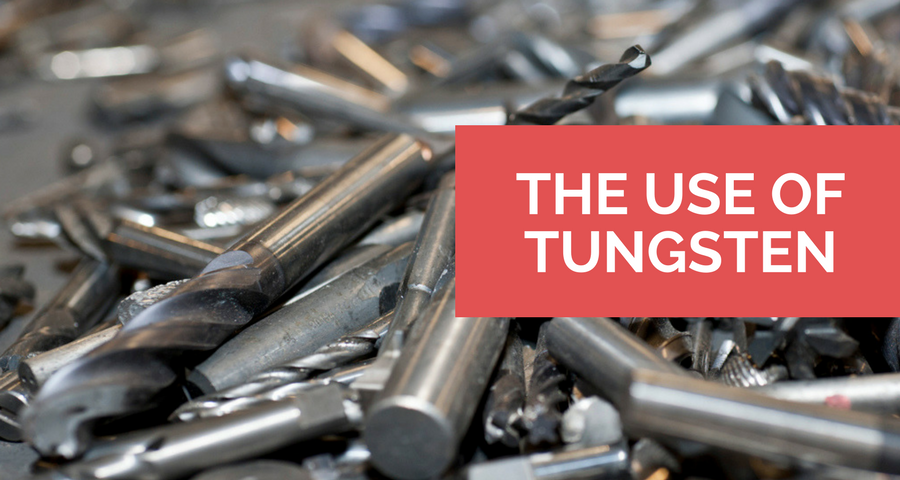
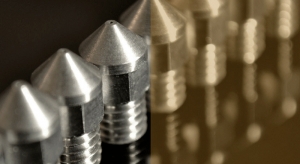 The metal, also known as wolfram, has the density of 19.35 g/cm³, with its melting point is 3410.0 ℃ or 3683.15 K, 6170.0 °F, and boiling point is at 5660.0 ℃ or 5933.15 K, 10220.0 °F. For these reasons, this rare metal has found its way into many appliances and industries as the main component or an alloy to various products. Tungsten Heavy Alloy is an excellent choice for vibration damping, centrifugal compensations, making inertia sensors etc.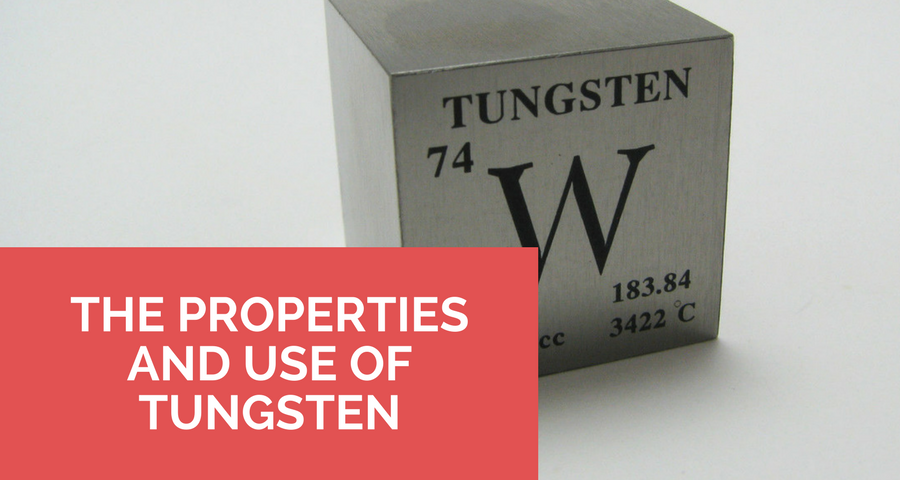
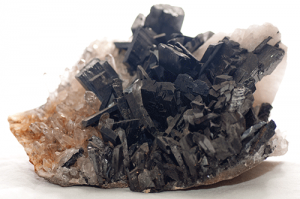 With Tungsten’s strong durability and high resistance to heat, Tungsten has been used as a wire filament that is placed in the middle of light bulbs that power billions of homes all around the planet. The aptitude to keep its shape at extremely high temperatures has helped Tungsten filaments cement their role as the main light bulb component. For example,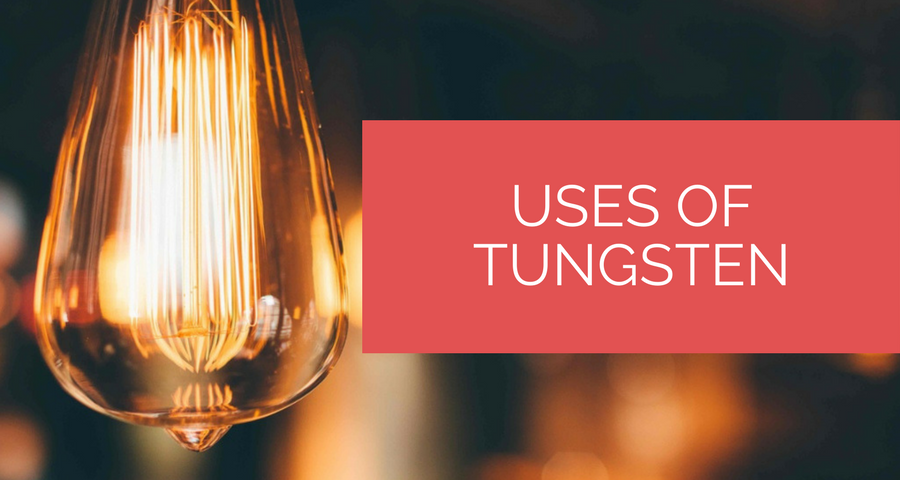
 Tungsten has a particular quality when it comes to rare metals. Namely, Tungsten has the property of making other metals stronger when they are combined with it. When you mix Tungsten with other metals, an alloy is created with special properties, which can be used in a variety of applications in almost any industry known to man.